

 Start Read
 Recommend
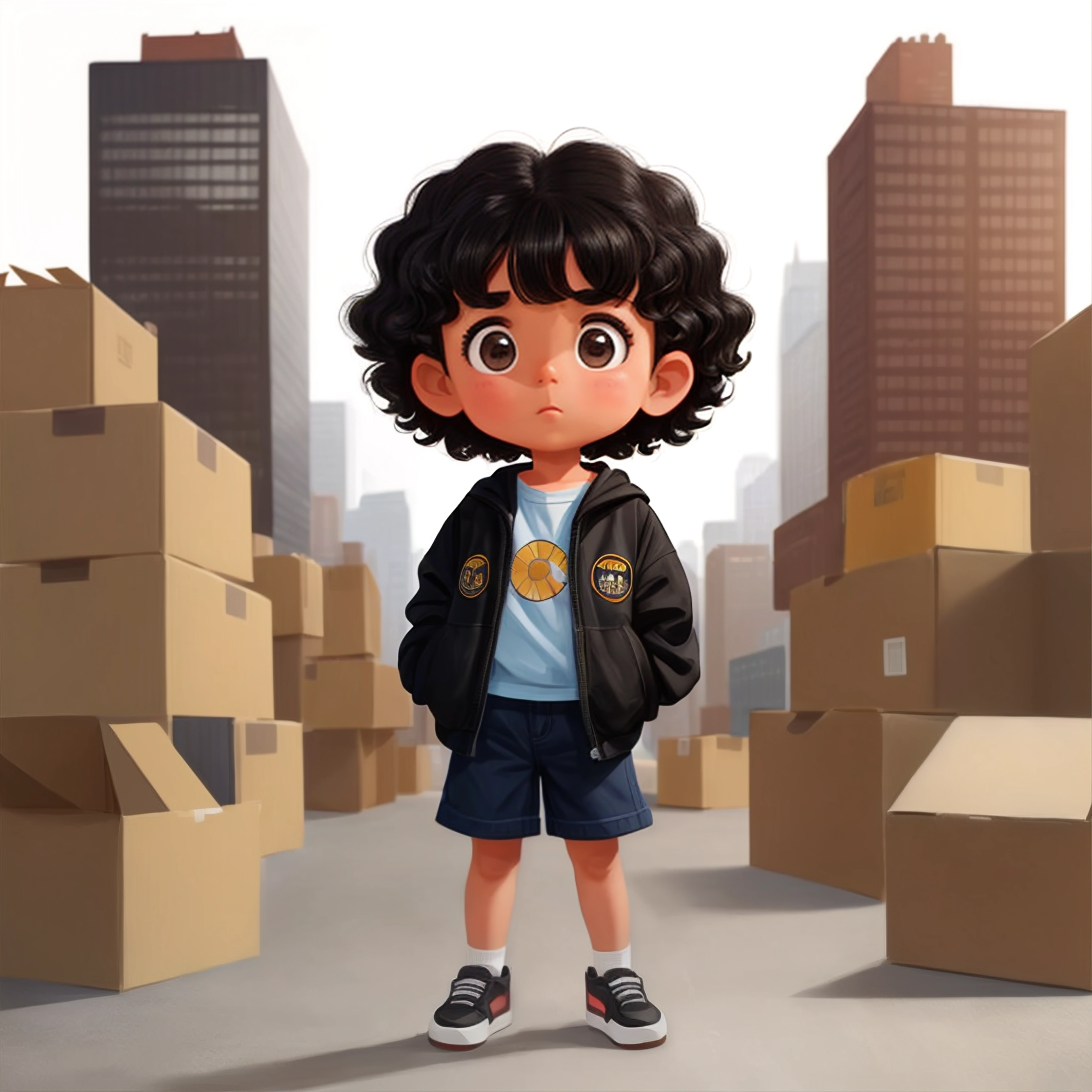
1. Destiny moves to a new city. (She is a 7-year-old Black girl with short curly hair) 2. Destiny introduces herself in class and tells everyone her favorite movie is the Princess and the Frog. 3. Destiny walks back home. 4. A boy from school, Jack, (he is a 7-year-old White boy with blonde hair and blue eyes) teases Destiny about her favorite movie. 5. Destiny is sad. 6. Other children watch what happens and Destiny feels self conscious. 7. Destiny get home and looks longingly out of the window. 8. The next day, Destiny gets ready for school 9. Her doorbell rings, and it is Hanna (an Asian girl around 7) who asks Destiny to walk to school together. 10. They walk to school. And kids of all races join them in their walk to school together.
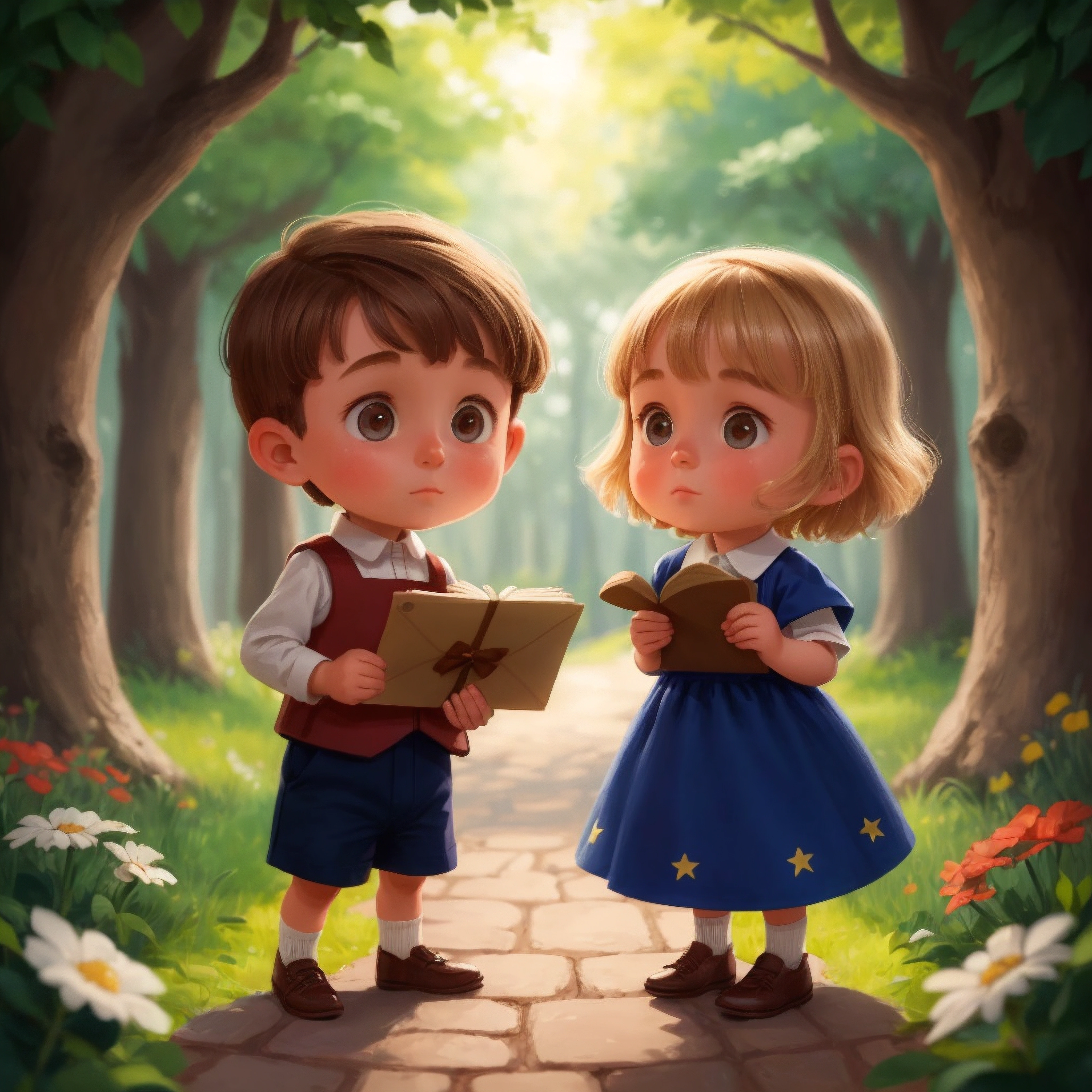
Light brown haired Derek (9 years old) and blonde haired Kara (6-years old) go to a planet where different shaped aliens share bubbles of pink love with one another
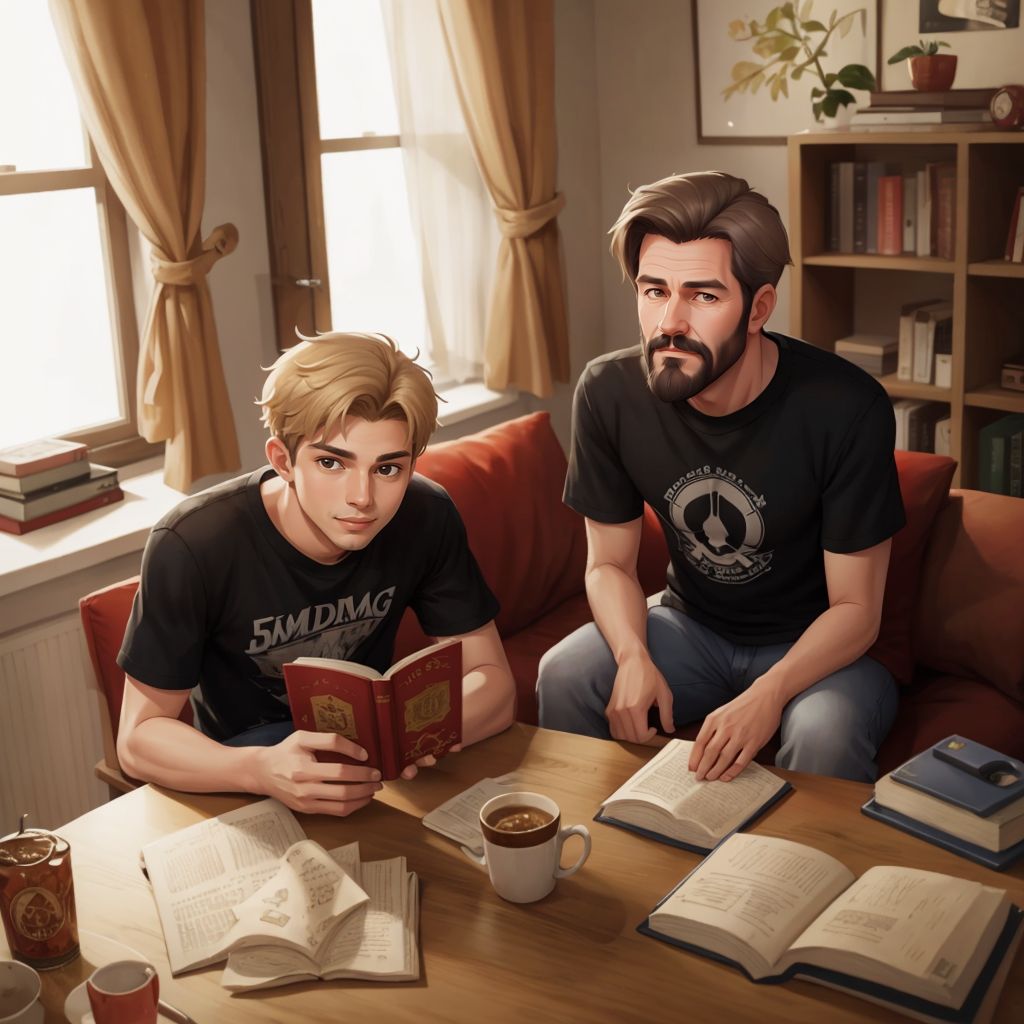
Harvey is introduced to new philosopher by Mr. Smith. His name is Friedrich Nietzsche and he was one of the most influential German classical scholar of the 18th century. Mr. Smith told Harvey that Nietzsche was the youngest person as chair of Classical Philology at the University of Basel in Switzerland in 1869, at the age of 24. Harvey was so impressed and amazed. Mr. Smith continues to explain Friedrich Nietzsche's main philosophical concept which is based on two figures in ancient Greek mythology Apollo and Dionysus. Mr. Smith also said that Nietzsche found in classical Athenian tragedy an art form that transcended the pessimism found in the so-called wisdom of Silenus. The Greek spectators, by looking into the abyss of human suffering depicted by characters on stage, passionately and joyously affirmed life, finding it worth living. The main theme in The Birth of Tragedy is that the fusion of Dionysian and Apollonian Kunsttriebe ("artistic impulses") forms dramatic arts or tragedies. He argued that this fusion has not been achieved since the ancient Greek tragedians. Apollo represents harmony, progress, clarity, logic and the principle of individuation, whereas Dionysus represents disorder, intoxication, emotion, ecstasy and unity (hence the omission of the principle of individuation). Nietzsche used these two forces because, for him, the world of mind and order on one side, and passion and chaos on the other, formed principles that were fundamental to the Greek culture: the Apollonian a dreaming state, full of illusions; and Dionysian a state of intoxication, representing the liberations of instinct and dissolution of boundaries. In this mould, a man appears as the satyr. Harvey felt so empowered and understood what Nietzsche meant; life is full of suffering and chaos and hard work and that's where we should find enjoyment and happiness by valuing what is most worth to us.
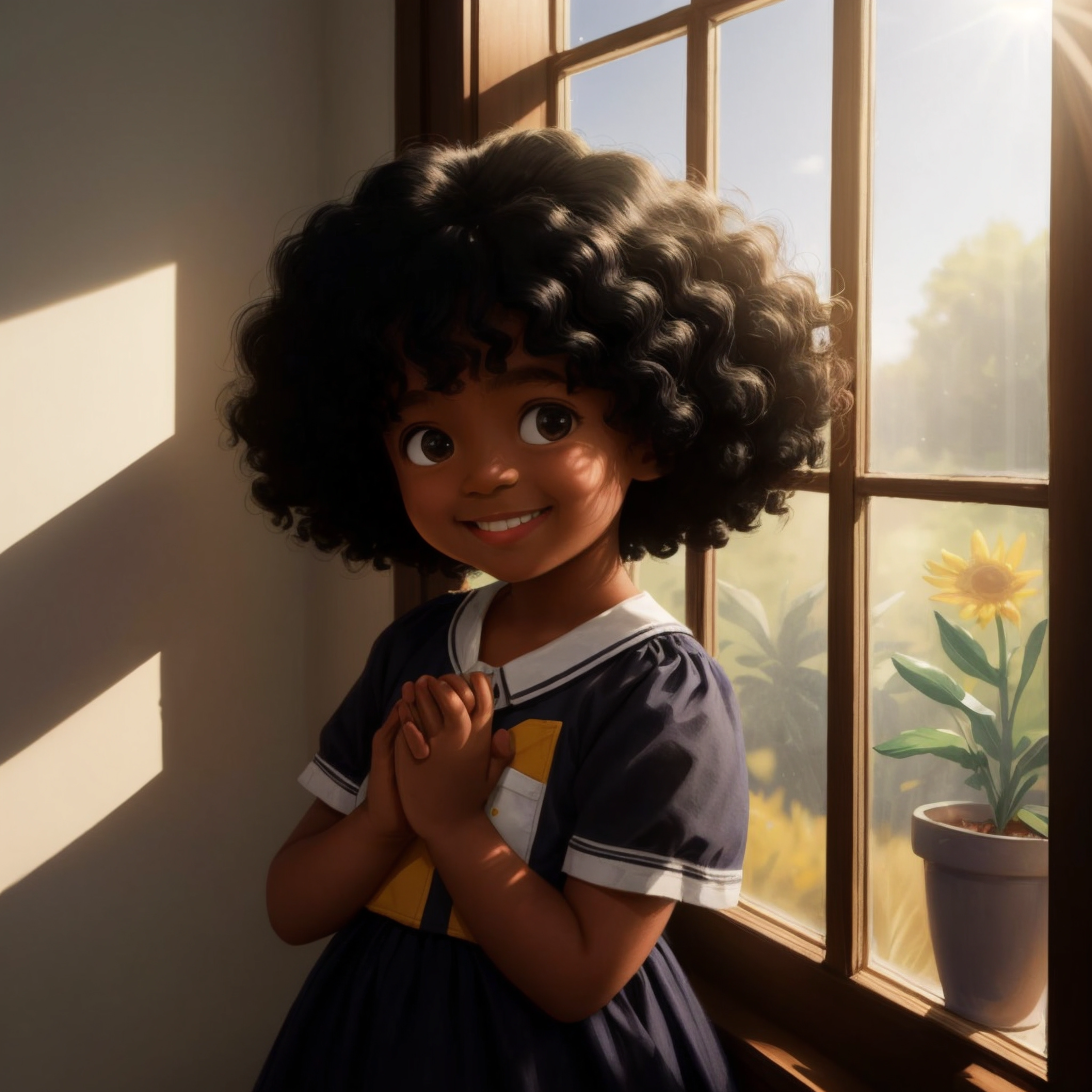
A BOOK OF 10 DIFFERENT PRAYERS THAT A CHILD BETWEEN 2-6 years can say. This book is 10-15 pages of different pics and 10 different prayer. Its shows a little african american girl in different scenery prayiing out loud.
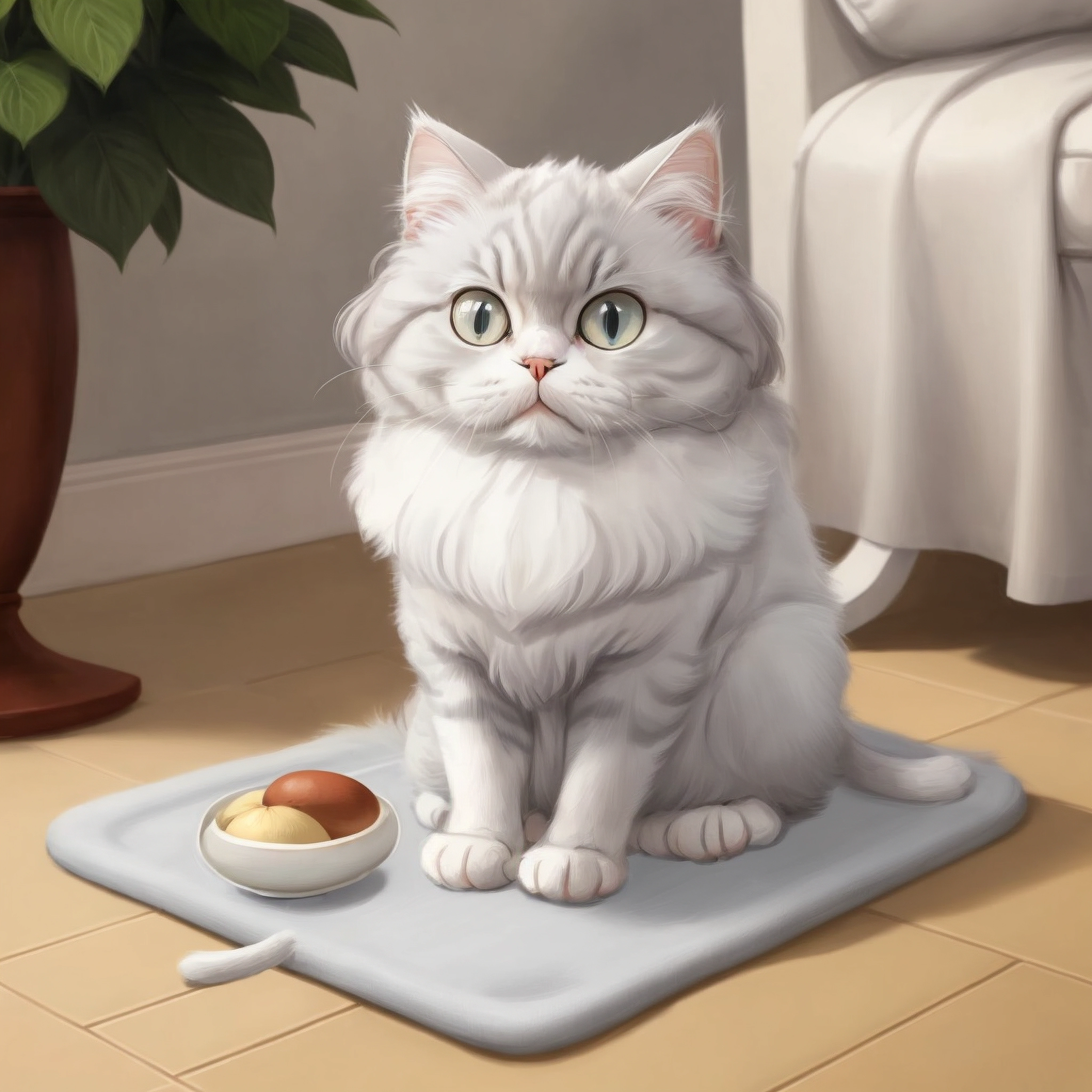
Pat is a cat. Pat ran to the mat. Pat hit his lip. He was sad. This is Kip. Kip is a man. He saw Pat. He ran to help Pat. Pat was happy. Kip has a bat. It is a big bat. Pat likes to play. Kip and Pat play with the bat. They like the bat. .

Kaya finds a dog in the neighborhood and decides to take it upon herself to find its home.
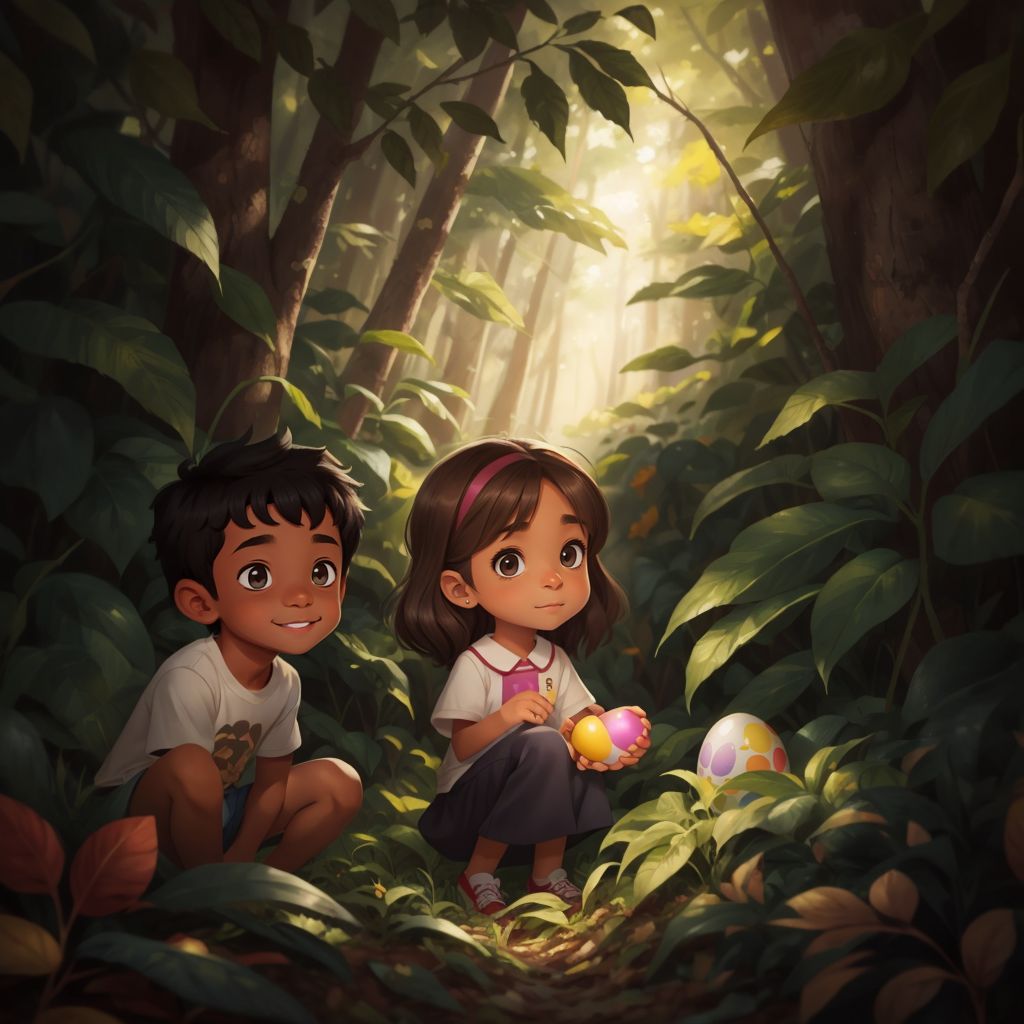
A group of friends find a dragon egg and embark on an adventure to return it to its mother.
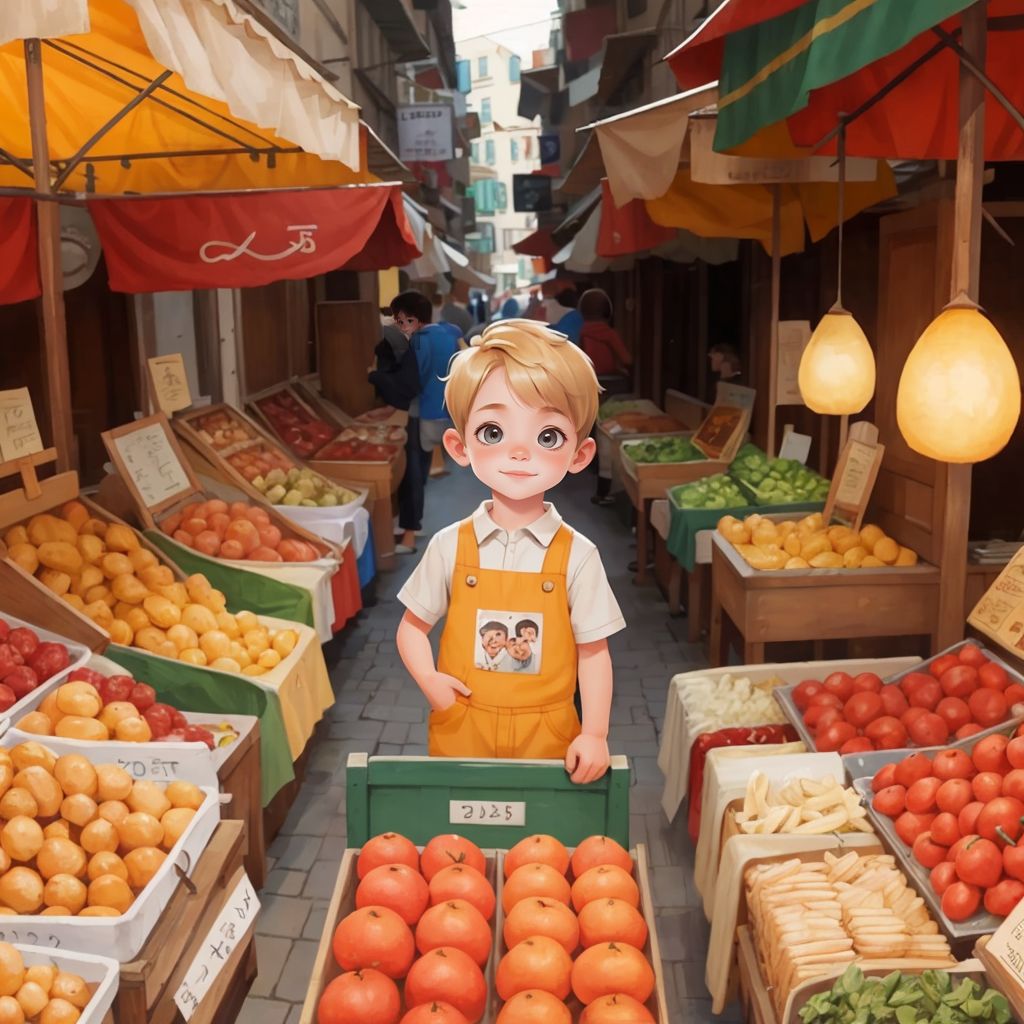
"Tottiş is a four-year-old blonde boy, and his best friend is Mırmır, his green-eyed cat. They live in Istanbul."

hildrens story about a 6 year old boy that loves baseball. Focus on his love of the sport from playing baseball to watching professional baseball games. Include topics of teamwork and overcoming challenges in learning to play. Include supportive parents that help him to overcome challenges and practice to be better. The name of the boy is nico
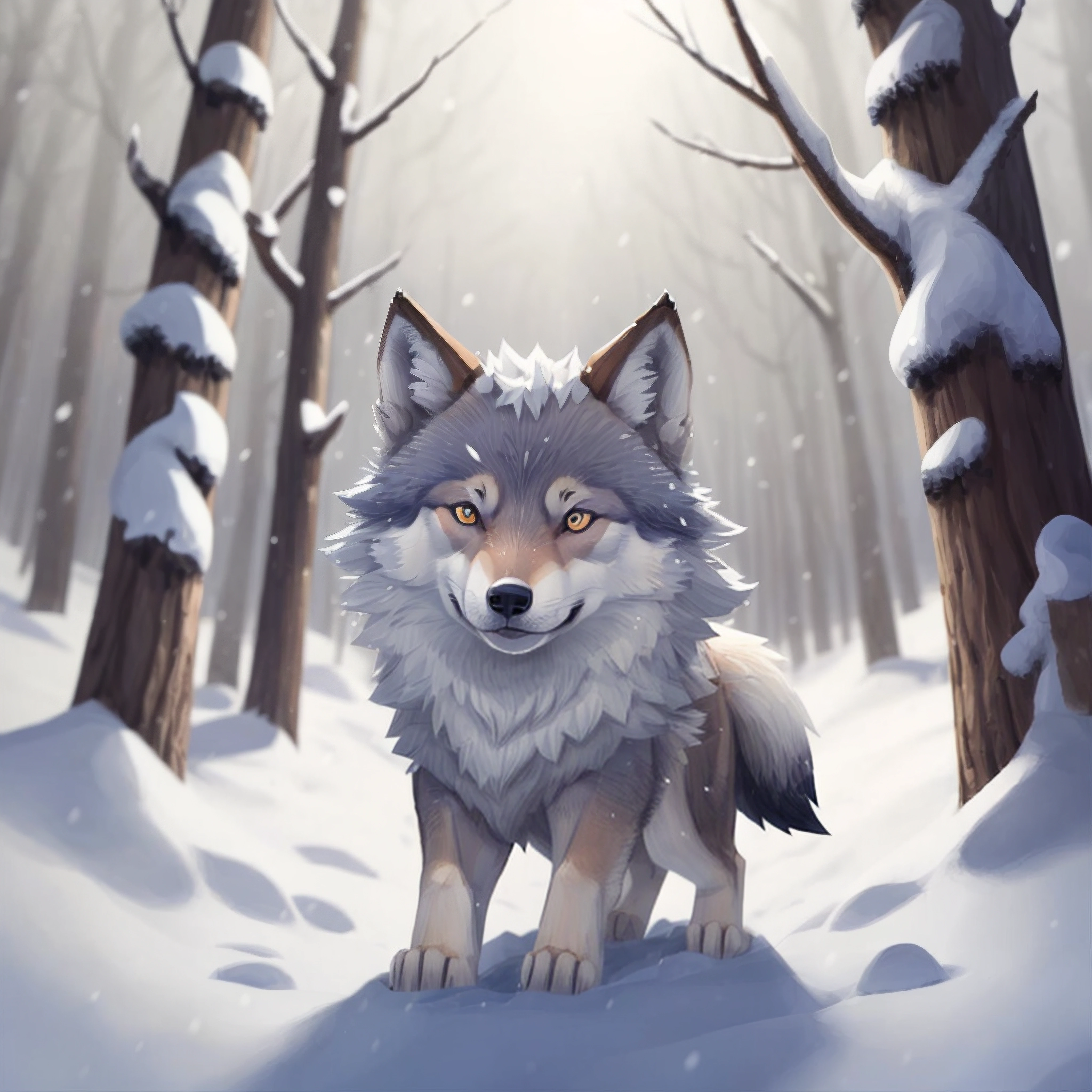
One day when a blizzard was raging, a little wolf cub named Scott was separated from his pack. He had no choice but to step into the unknown.
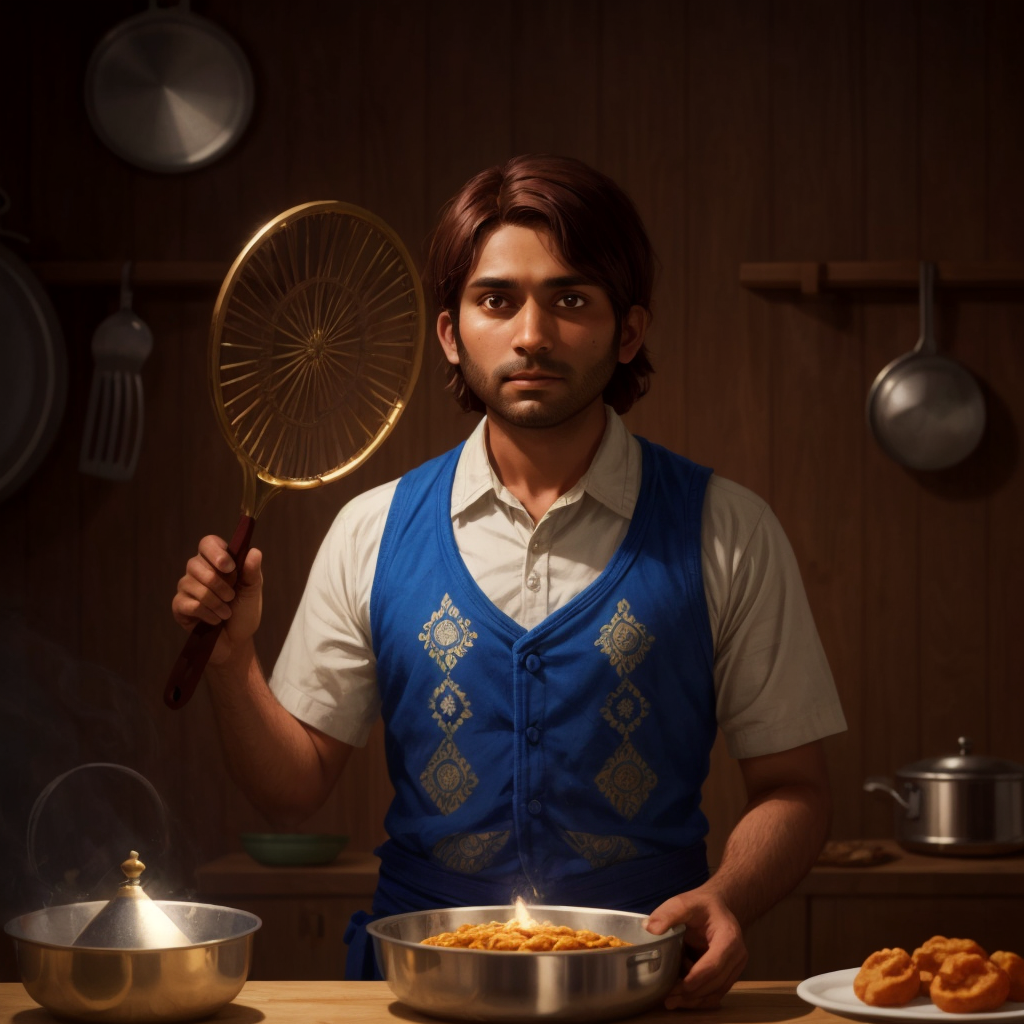
The book "Charming kitchen items: Fairy tales from the world of gastronomy" contains several chapters, each of which is a separate fairy tale story. Here is the possible contents of the book: Chapter 1: The Magic Frying Pan - Meeting with the young chef Edmund, who embarks on a journey through the kingdom to uncover the secrets of kitchen items. - Edmund meets an ancient frying pan, which tells him about his magical abilities and helps him cook magical dishes. Chapter 2: The Magic Pot - Edmund learns about an ancient saucepan that holds memories of ancient recipes. - Together with the pan, Edmund goes in search of lost recipes and gains wisdom from ancient culinary traditions. Chapter 3: In the Footsteps of the Magic Fork - Edmund goes in search of a magic fork, about which there are many legends. - Meetings with various characters and adventures in search of a magic fork that helps to find happiness and good luck in cooking. Each chapter of the napo
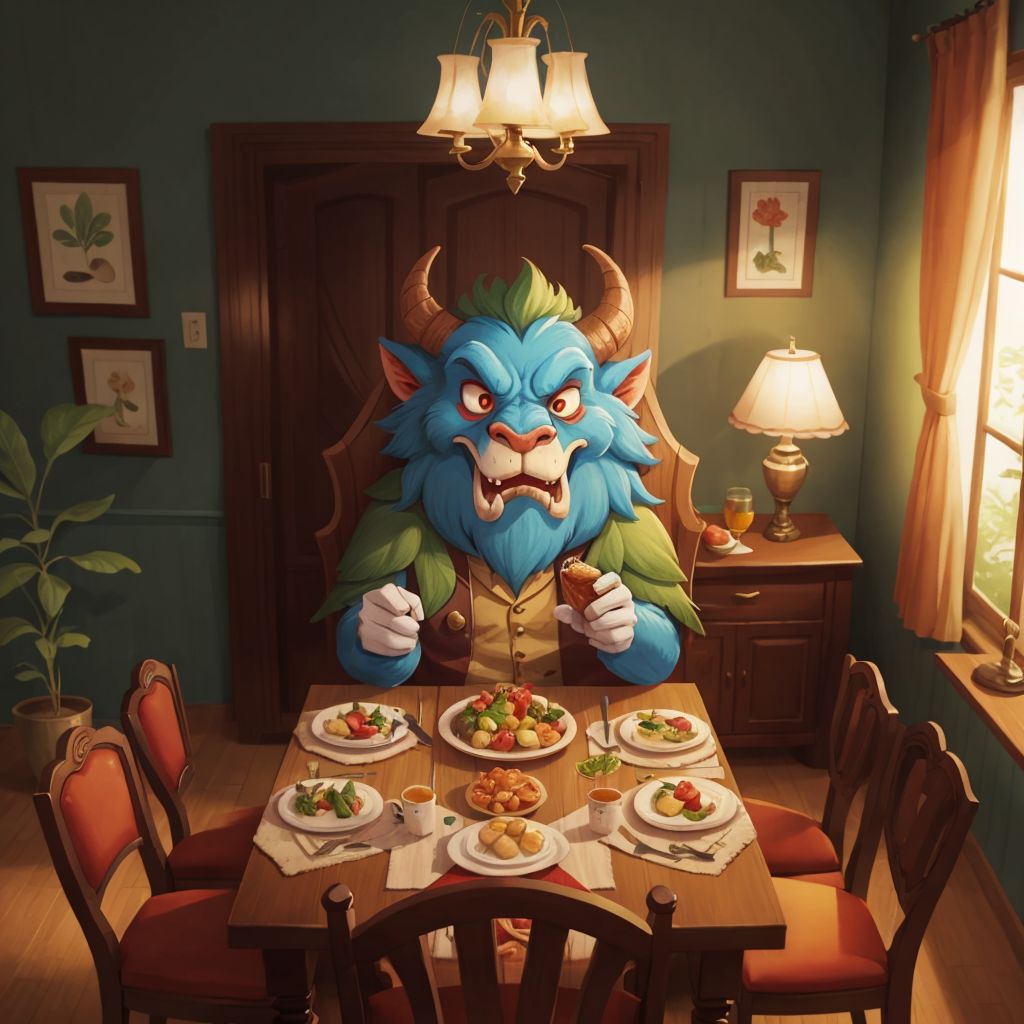
1. Once upon a time, in the town of Bankroot Valley, was a Mayor Pig. He was a greedy and hungry beast, but nobody dared talk back to him. 2. One day, he decided to have a grand dinner, a dinner that had all the food he could see. 3. "Butler Finn! Send invitations to all the rich animals in the area! I want this to be the biggest, craziest, and tastiest dinner of all time!" Mayor Pig yelled. 4. "But if you take all the food, what will we eat for the winter?" Finn the Fox asked. "I DON'T CARE!" Mayor Pig screamed. 5. Finn the Fox sighed, but he realized a plan. So he spread the word around to the towns people. 6. On the day of the dinner, Mayor Pig had almost a thousand kilograms of food and 100 rich animals in his mansion. 7. But there was so much food, the walls began to crack. 8. BOOM! the walls caved in, and all the food flew out of the building. 9. The fox, along with all of the towns animals, ran in and took all of the food. 10. With enough food for everyone, they lived happily ever after.
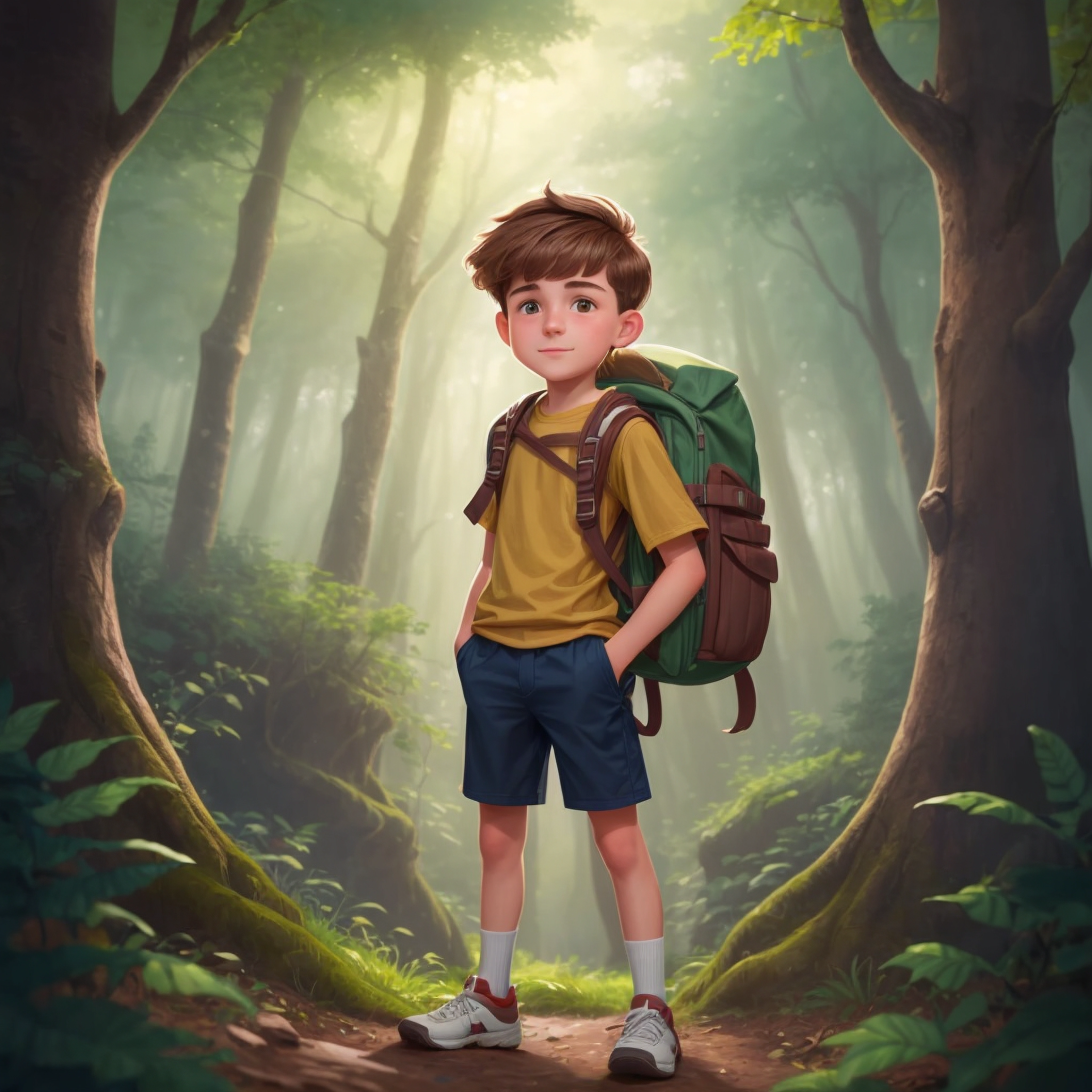
Each book in the series combines engaging storytelling with valuable lessons about hunting safety, ethical practices, and a deep appreciation for nature. The Adventures in the Wilderness series aims to inspire young readers to become responsible and conscientious hunters while fostering a love for the great outdoors.
Introduction to Dalton Description of Dalton as a selfish boy. His reluctance to share toys or help neighbors. The Neighbor’s Request for Help A neighbor, Mrs. Rosin, asks Dalton for assistance with her garden. He ignores her request because he thinks it’s not his problem. Consequences of Selfishness The neighborhood children avoid playing with him. They talk about how unkind he is when they see each other at playdates. Dalton in Need – One day, while trying to fix something on his own (like a bike), things go wrong and he needs help badly but feels embarrassed asking anyone since he’s been so unfriendly before. Realization and Change – No one comes forward; then he remembers how lonely it felt being ignored himself. – Realizes that sharing kindness can create friendships instead of loneliness. **Conclusion/Message Learned by Dalton & Neighbors’ Response ** – Finally decides to apologize and offers some cookies as an olive branch along with helping others around him from now on!
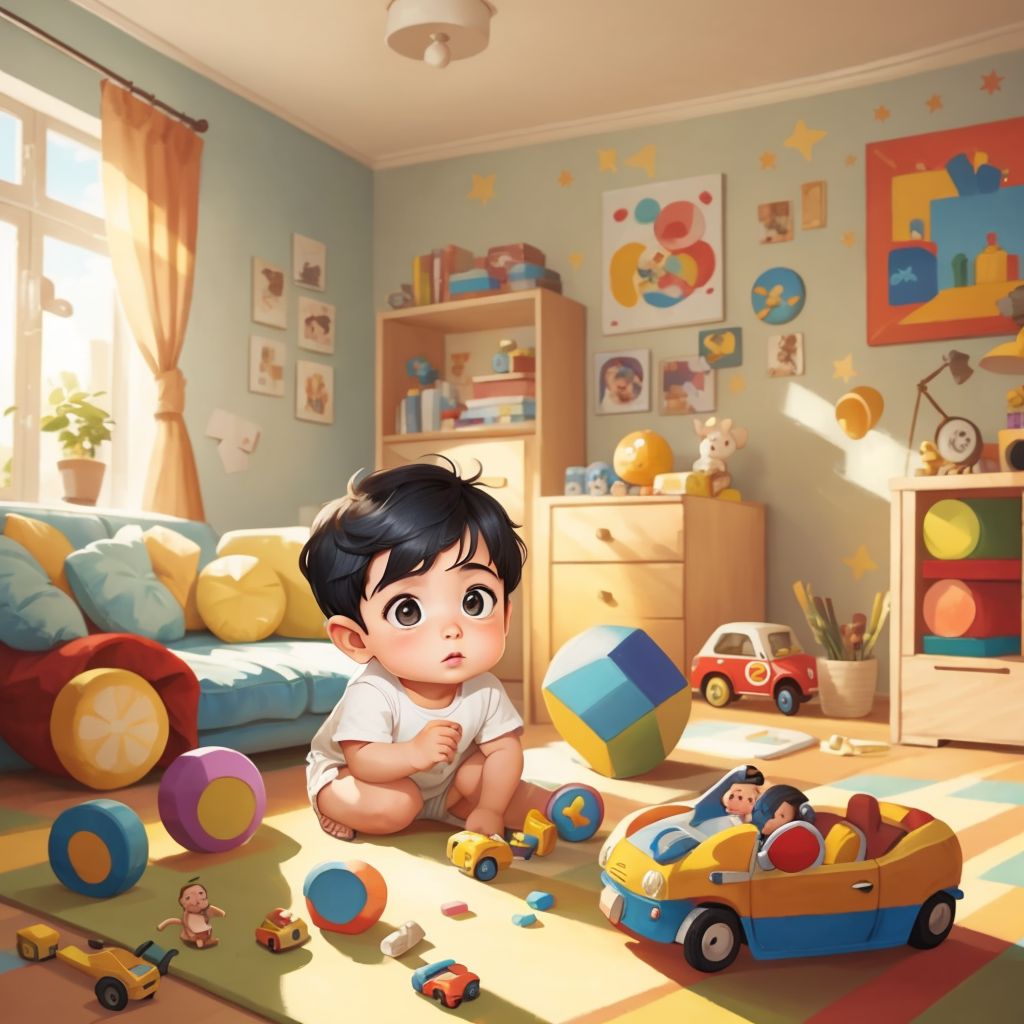
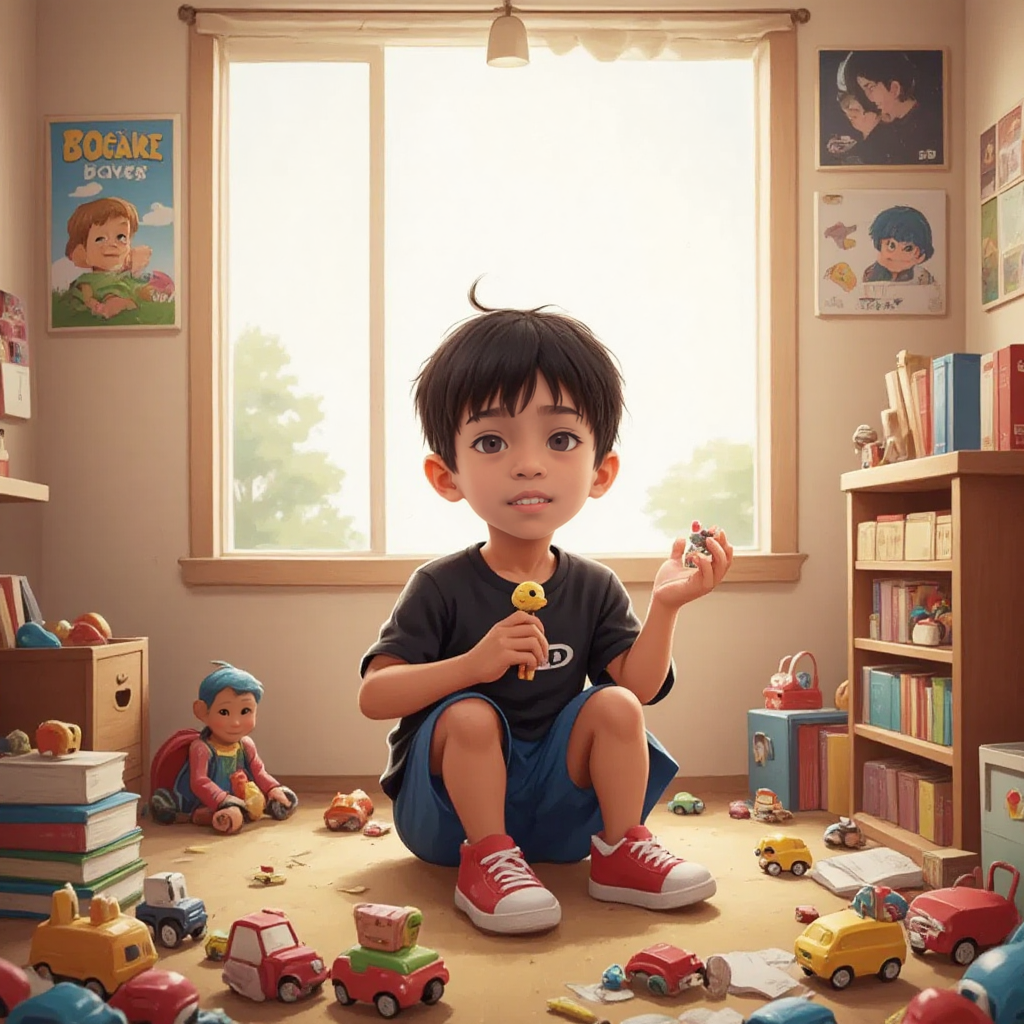
Baby Nikolas was playing with his toys while his mommy was busy in the kitchen
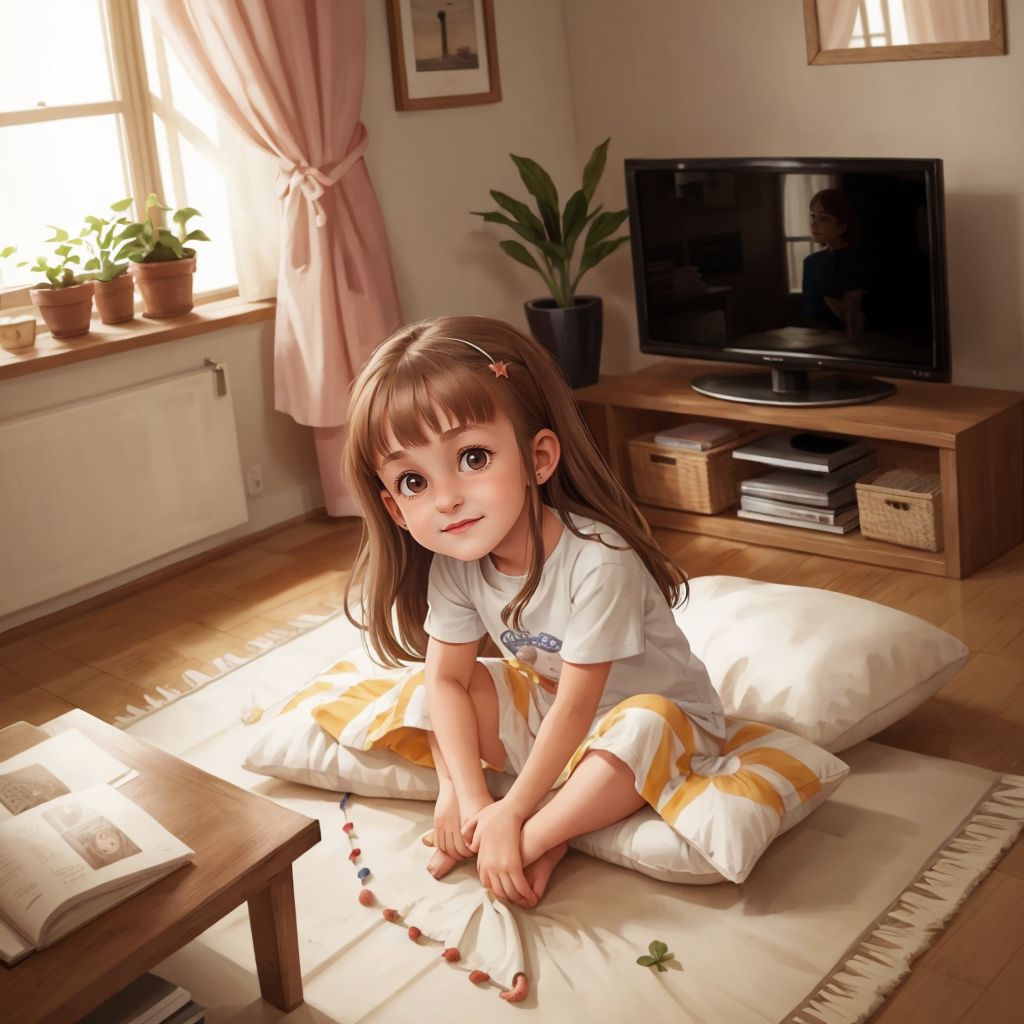
Влада дуже хотіла постійно дивитись мультики, а не читати книжки. Але книжки читати важливо. Влада проходить через різні ситуації, які показують їй важливість читання книжок. Влада любить робити макіяж та зачіски. І в кінці Влада починає любити книги.
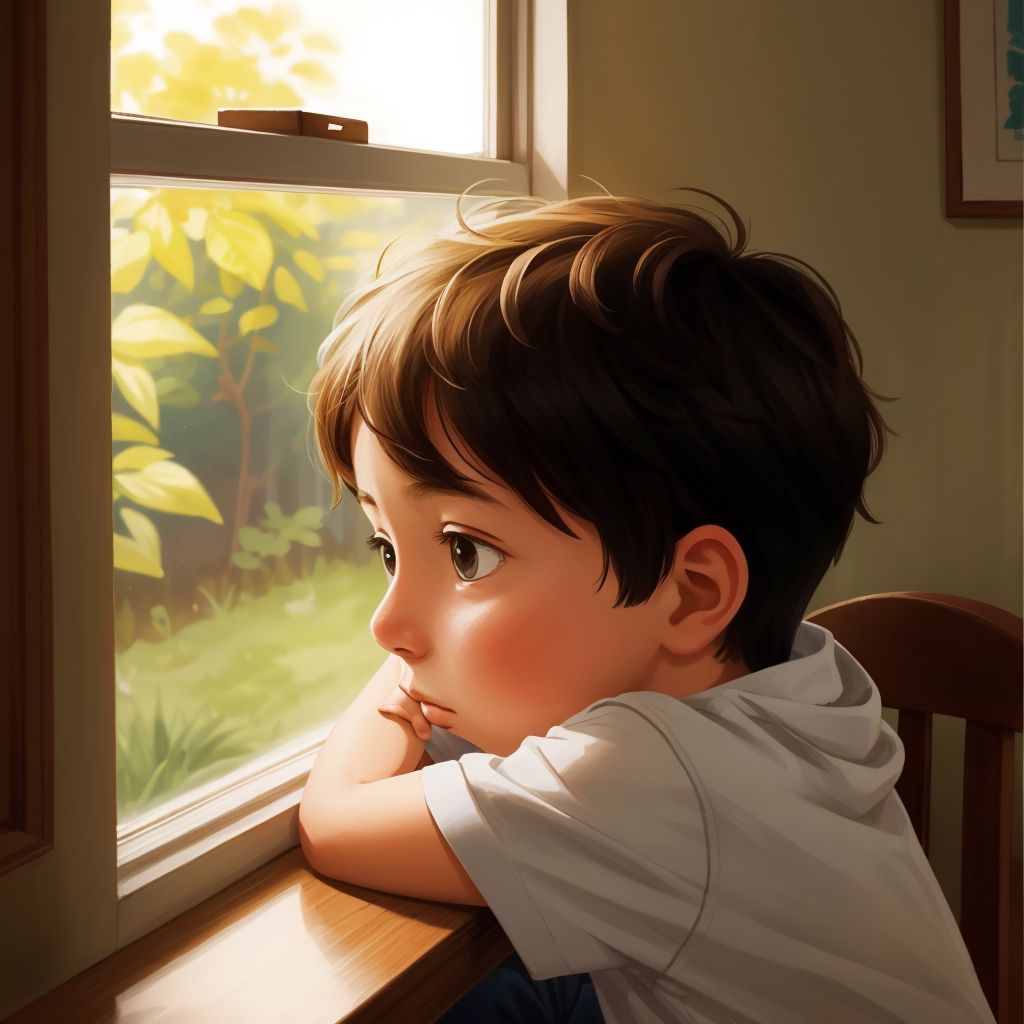
The Windsill Watcher In The Windsill Watcher, a shy boy spends his days looking out his window, longing for friends but too timid to venture outside. His world feels small and lonely until one day, a vibrant red robin flutters up to his window and cheerfully greets him with a “Hi!” Initially skeptical, the boy responds, “But birds can’t talk.” To his surprise, the red robin insists that they can, and an unexpected friendship blossoms between them. The robin introduces the boy to a lively group of birds, filling his room with cheerful chatter. Through their conversations, the boy learns about the adventures the robin has had outside, exploring the wonders of the world. As the days go by, the red robin encourages the boy to step outside and discover the joys of nature and friendship. He paints vivid pictures of sunlit parks, blooming flowers, and the excitement of playing with other children. Slowly, the boy begins to see the beauty of the world through the robin's eyes. Eventually, inspired by the robin’s stories, the boy gathers the courage to go outside. With newfound cheerfulness, he joins other kids, forming the friendships he had always yearned for. He runs, plays, and laughs, fully embracing life beyond his window. However, as the boy opens his heart to new experiences, the red robin gently fades away, having fulfilled its purpose. With a bittersweet farewell, the robin reminds the boy that true friendship can come in many forms. The Windsill Watcher is a heartwarming story about overcoming shyness and embracing the world around us. Through the enchanting bond between a boy and a bird, the narrative teaches that sometimes, all it takes to break free from loneliness is a little encouragement and the courage to step outside our comfort zones.
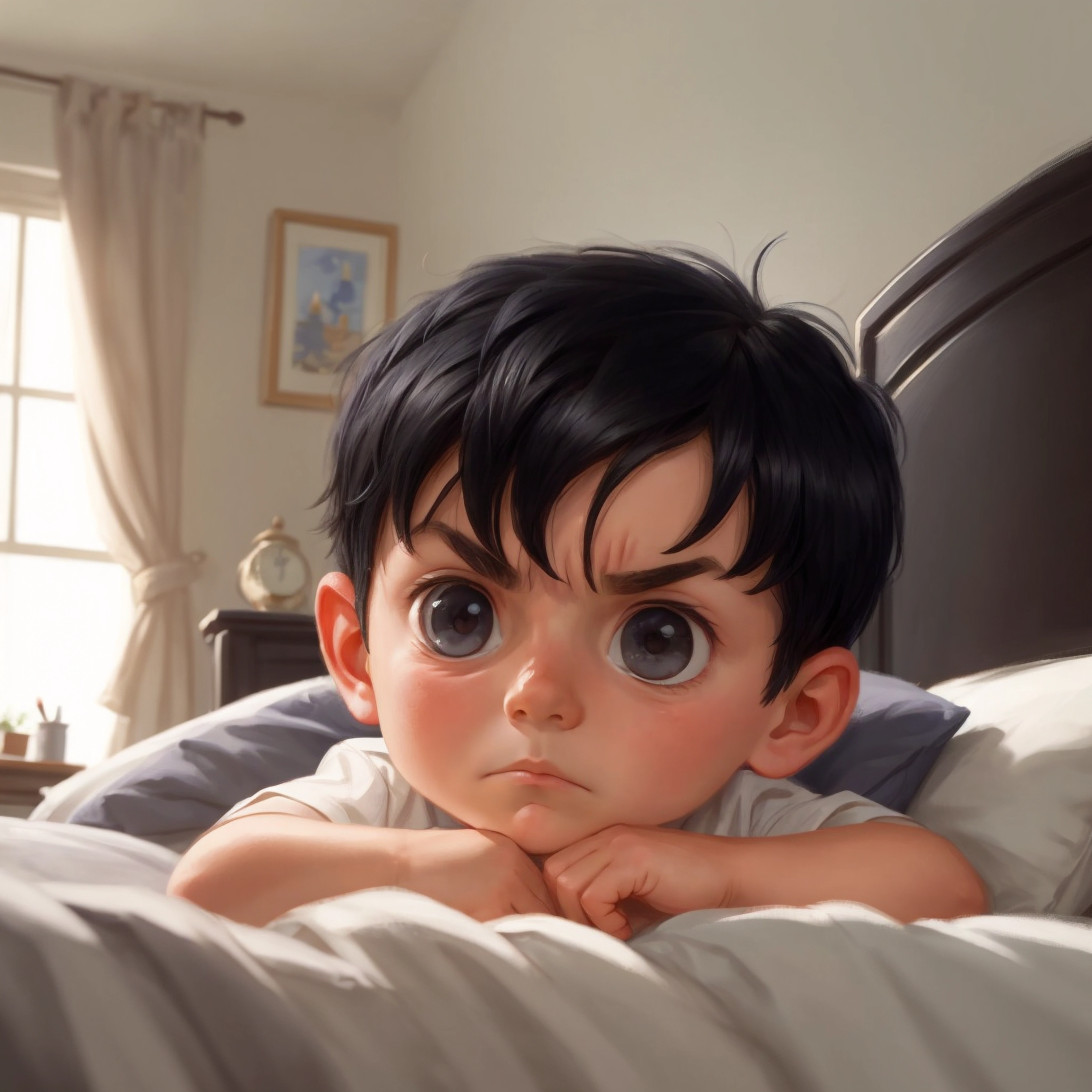
Eustace is a young boy that has 3 cousins that he doesn’t like .
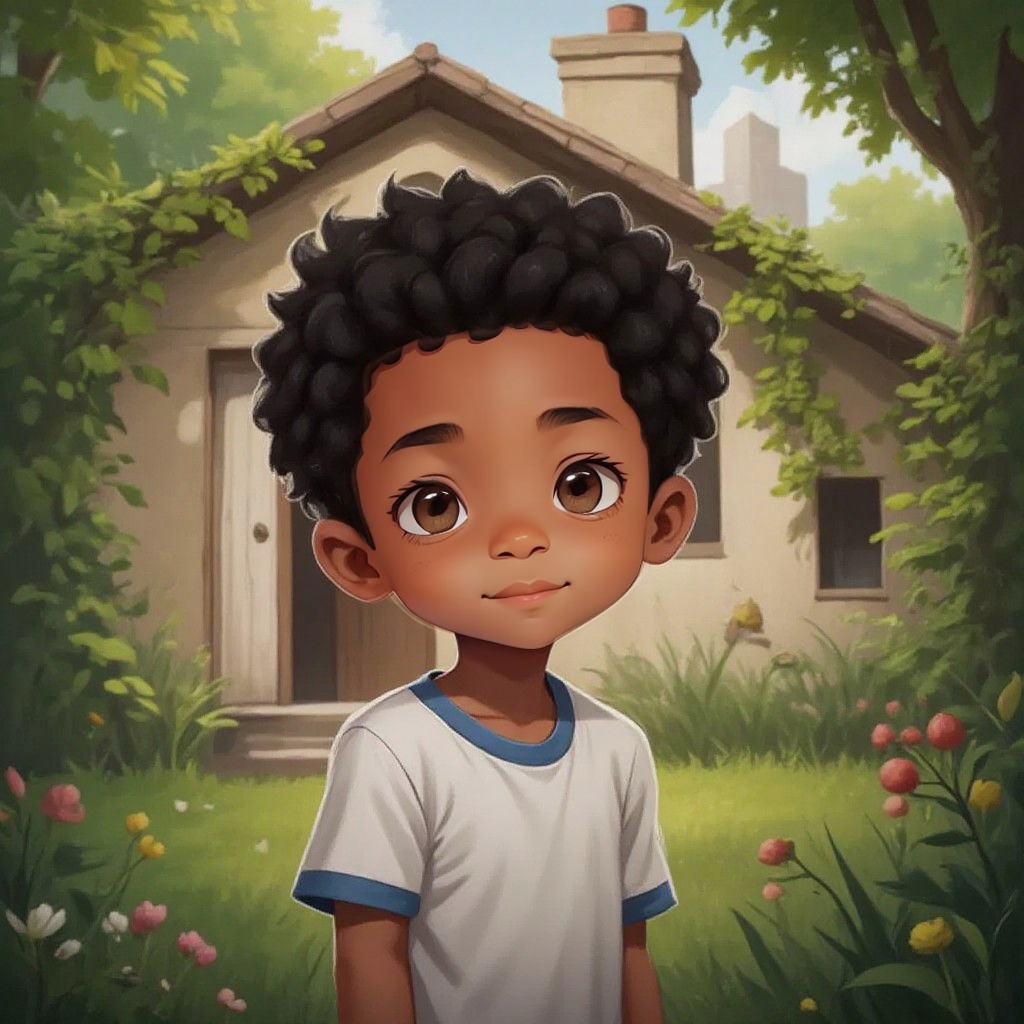
School boy adventures and mischief
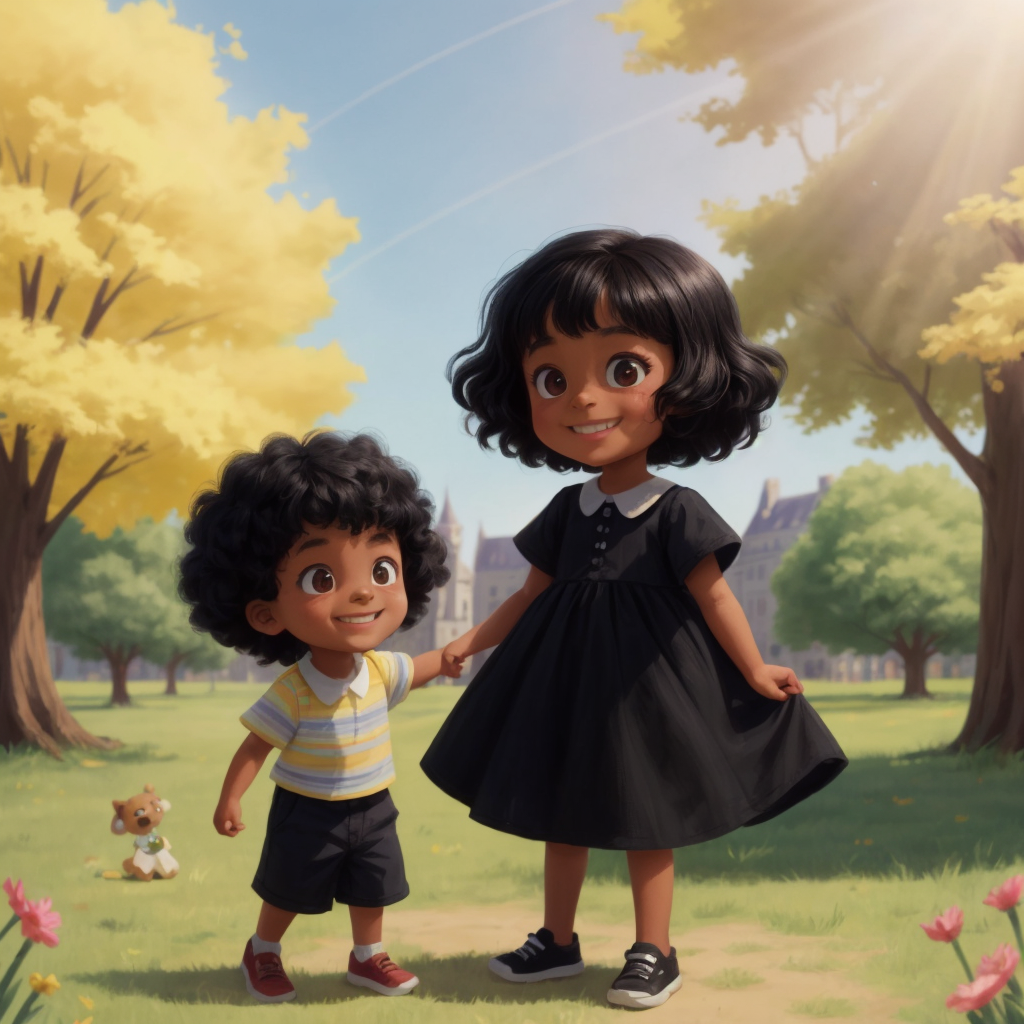
1. Two kids are standing. The boy is named Arthur and the girl is Eva. 2. Head. The boy and girl point to their head and say this is my head. 3. Eyes. Boy and girl point to their eyes and say these are my eyes. 4. Eyebrows. Boy and girl point to their eyebrows and say these are my eyebrows. 5. Nose. Boy and girl point to their Nose and say this is my Nose. 6. Mouth. Boy and girl point to their mouth and say this is my mouth 7. Tongue. Boy and girl show their tongue and say this is my tongue. 8. Hands. Boy and girl point to their hands and say these are my hands. 9. Belly. Boy and girl point to their belly and say these are my belly. 10. Legs. Boy and girl point to their legs and say these are my legs. 11. Knees. Boy and girl point to their knees and say these are my knees. 12. Feet. Boy and girl point to their feet and say these are my feet.